Get A Free Quote
1300 007 782
Call Us On:
1300 007 782G10/RMS Accredited
Competitive Rates
ZERO Accidents or Injuries
25+ years combined experience
50+ years combined experience
Competitive Rates
G10/RMS Accredited
ISO Certified

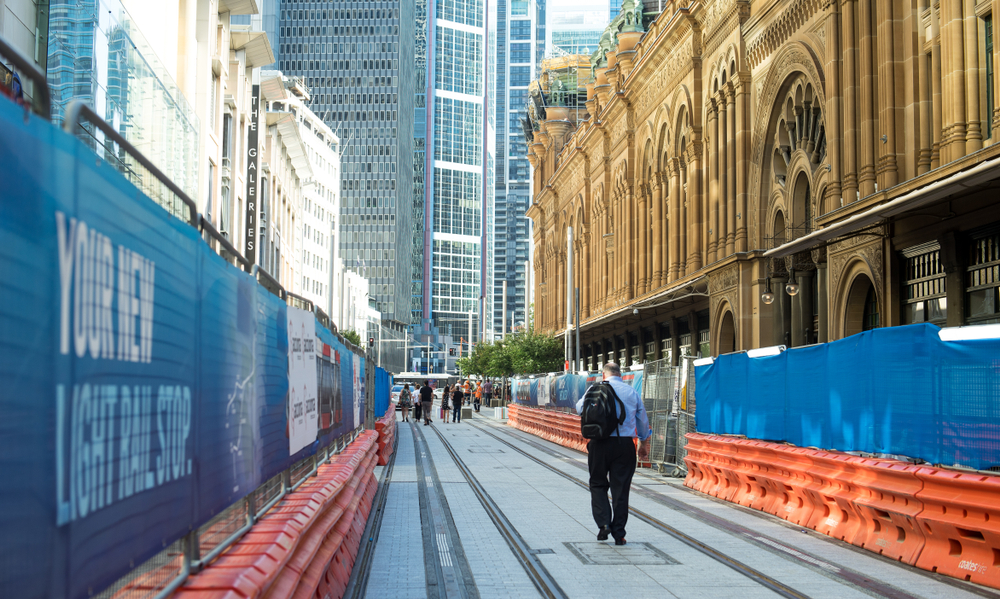
Construction in Sydney is booming, but with every new development comes the complex challenge of managing the flow of people and heavy machinery. Whether you are breaking ground on a high-rise in the CBD or managing a residential subdivision in the suburbs, the safety of your workers and the public hinges on one critical document: the Construction Traffic Management Plan (CTMP).
A comprehensive CTMP isn’t just a box to tick for your Development Application (DA); it is the blueprint for site safety and efficiency. Without it, you risk dangerous accidents, costly project delays, and heavy fines from regulatory bodies like SafeWork NSW or the local council.
In this guide, we break down exactly how to build a compliant traffic management plan for construction sites in Sydney, helping you navigate the regulatory landscape and keep your project moving safely.
Before you draw a single line on a site map, it is crucial to understand the regulatory framework in New South Wales. Traffic management in Sydney isn't a "one size fits all" process; it is governed by strict standards designed to protect lives.
In NSW, your traffic management plan must comply with several key authorities and standards:
It is essential to distinguish between a Construction Traffic Management Plan (CTMP) and a Traffic Control Plan (TCP)—now formally known as a Traffic Guidance Scheme (TGS). A CTMP is a high-level document outlining the overall management strategy for the duration of the project. In contrast, a TCP/TGS is a technical diagram showing the specific placement of signs, cones, and controllers for a particular stage of work.
Effective construction traffic management starts with a thorough risk assessment. You cannot manage what you haven’t identified. In the dense urban environment of Sydney, hazards are everywhere.
Common traffic risks on construction sites include:
To minimise these hazards, your plan should prioritise the "hierarchy of controls." The most effective method is isolation—physically separating pedestrians from vehicles using barriers or designated walkways. Where isolation isn't possible, engineering controls like exclusion zones, sensors, and speed limiters must be used.
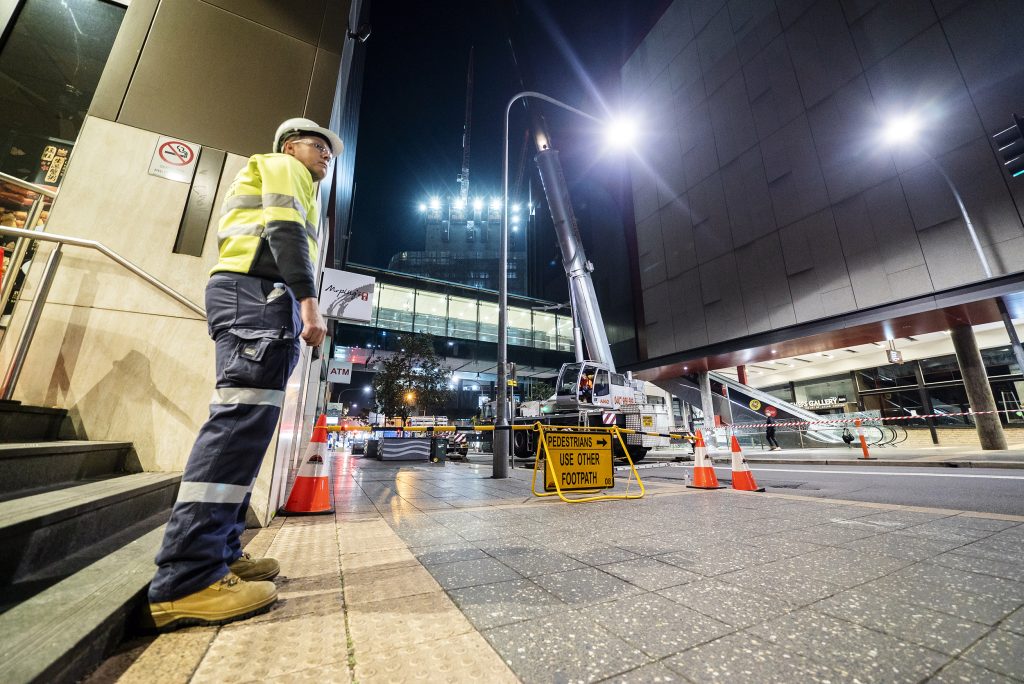
Building the plan itself requires a methodical approach. A compliant CTMP essentially tells the story of how traffic will move safely around your project from start to finish.
Begin by mapping out the existing road network. Which streets can handle heavy vehicles? Are there load limits or low bridges? You must define the approved haulage routes that minimise impact on local residential streets.
You need to prove that the vehicles you intend to use can actually fit. Swept path diagrams are technical drawings that simulate the movement of heavy vehicles (like an 8.8m Medium Rigid truck or a 19m Articulated vehicle) entering and exiting your site. NSW councils typically require all vehicles to enter and leave in a forward direction; if your truck has to reverse onto a public road, you will face significant hurdles in getting approval.
Your plan must explicitly state how you will protect vulnerable road users. Will you need to divert a footpath? If so, the temporary path must be accessible and safe. For cyclists, consider if your works obstruct bike lanes and provide safe alternatives.
Never overlook emergency services. Your site layout must ensure that an ambulance or fire truck can access the site (and neighbouring properties) at all times, even during peak construction activity.
Writing the plan is only half the battle; the real challenge lies in implementation. A CTMP that sits in a folder in the site office is useless. Here is how to make it work on the ground:
Every induction must cover the traffic management plan. Delivery drivers, sub-contractors, and site visitors need to know exactly where to park, how to enter, and the speed limits applicable on the site.
When vehicles cross footpaths or interact with public traffic, you legally require qualified traffic controllers. They are the eyes and ears on the ground, ensuring the plan is followed in real-time.
Construction sites are dynamic. As the project moves from demolition to excavation to fit-out, your traffic needs will change. Regularly review your traffic management plan for construction sites and update it to reflect the current stage of works.
Ensure all signage is clean, visible, and compliant with Australian Standards. A sign hidden by overgrown hedging or building materials offers no protection.
For further reading on national safety standards, Safe Work Australia provides excellent resources on general traffic management duties. Additionally, Austroads offers comprehensive guides on road design and temporary traffic management that inform many state regulations.
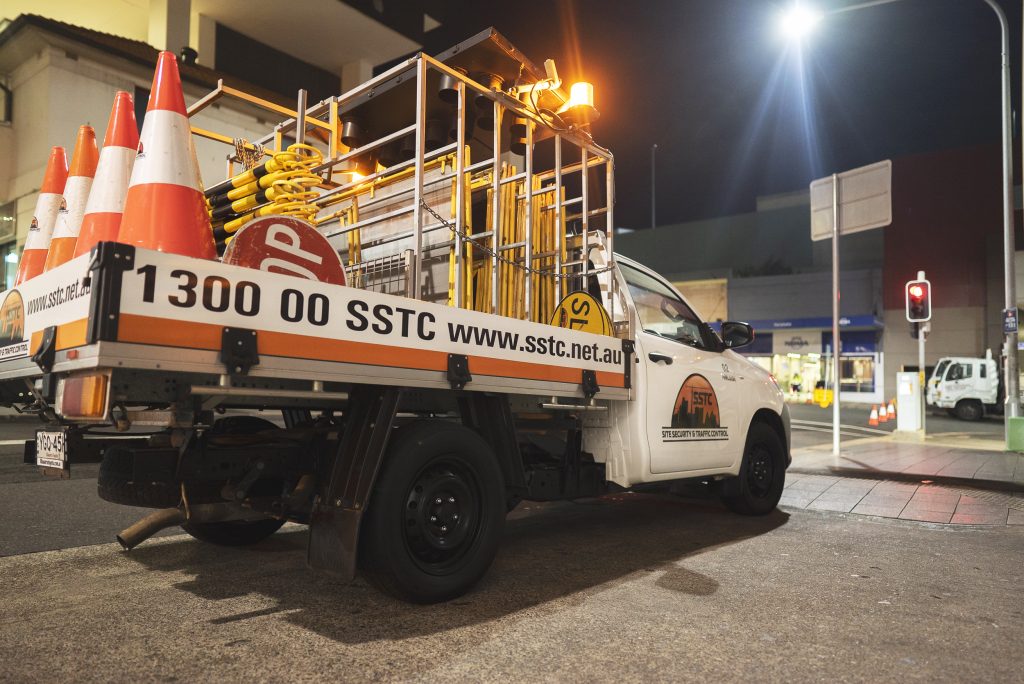
Ensuring your project stays on schedule and budget requires more than just good construction management; it demands seamless coordination of the traffic environment surrounding your site. At SSTC, we bridge the gap between complex regulatory demands and practical on-site solutions.
With over 50 years of combined experience, our team knows that a successful build relies on clear, actionable planning. Whether you need assistance developing a compliant traffic management plan for construction sites to satisfy strict council DA requirements, or you require professional Sydney construction site traffic control to manage the daily flow of heavy vehicles and pedestrians, we are here to help.
From designing intricate swept path diagrams to providing the accredited controllers who keep your gates moving safely, SSTC offers a complete end-to-end solution. We handle the traffic complexities so you can focus entirely on delivering a successful build.
Don't let traffic planning delays hold up your project. Ensure your site is safe, compliant, and efficient with SSTC. Get a free traffic management quote.