SSTC
Get A Free Quote
1300 007 782
Call Us On:
1300 007 782
50+ years combined experience
Competitive Rates
G10/RMS Accredited
ISO Certified
Non-destructive digging services in Sydney

SSTC provides precision hydro excavation and vacuum truck solutions to protect underground infrastructure across Sydney project sites.

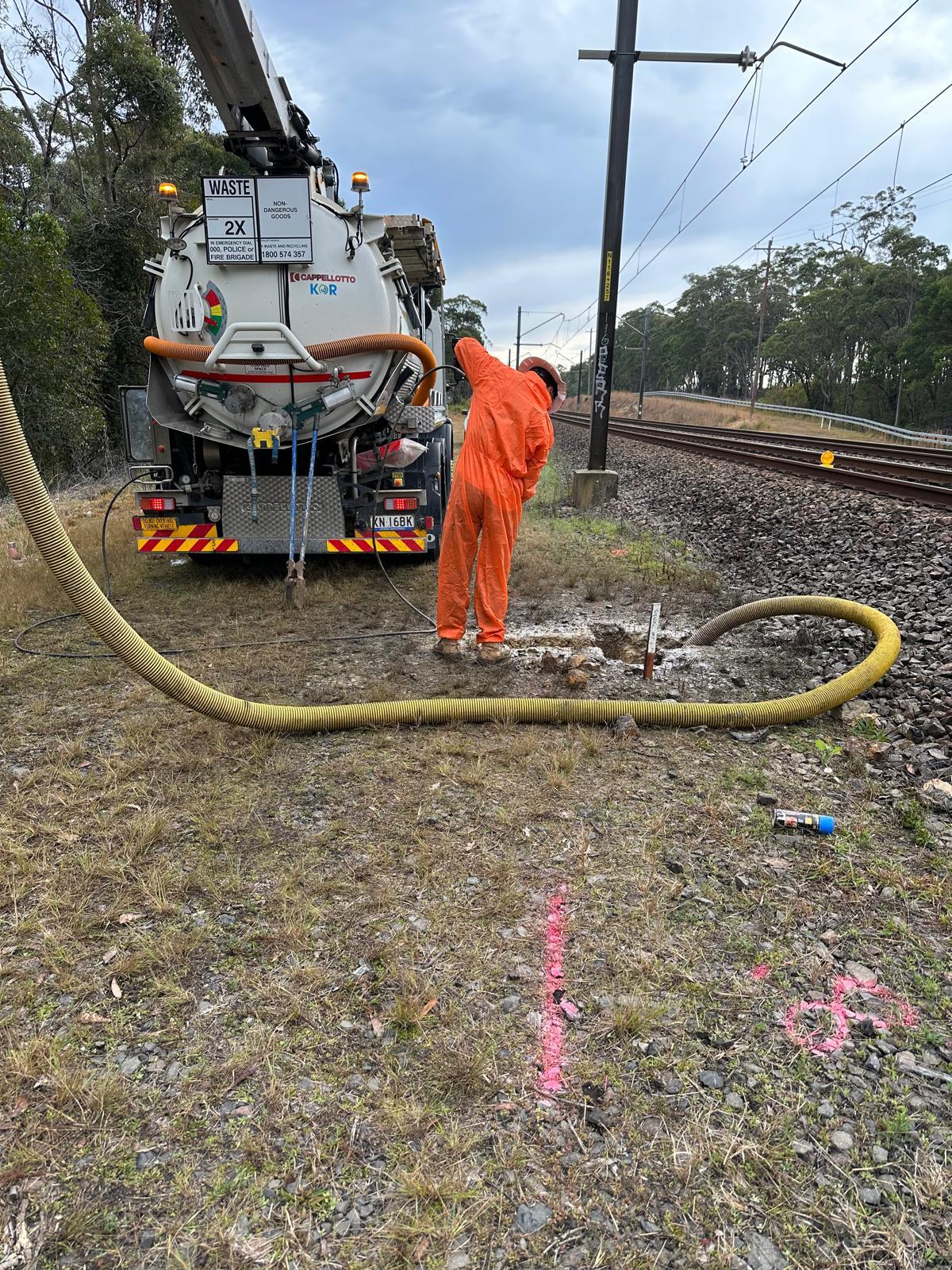
Non-destructive digging utilises high-pressure water jetting paired with high-volume vacuum extraction to excavate soil around sensitive underground utilities.

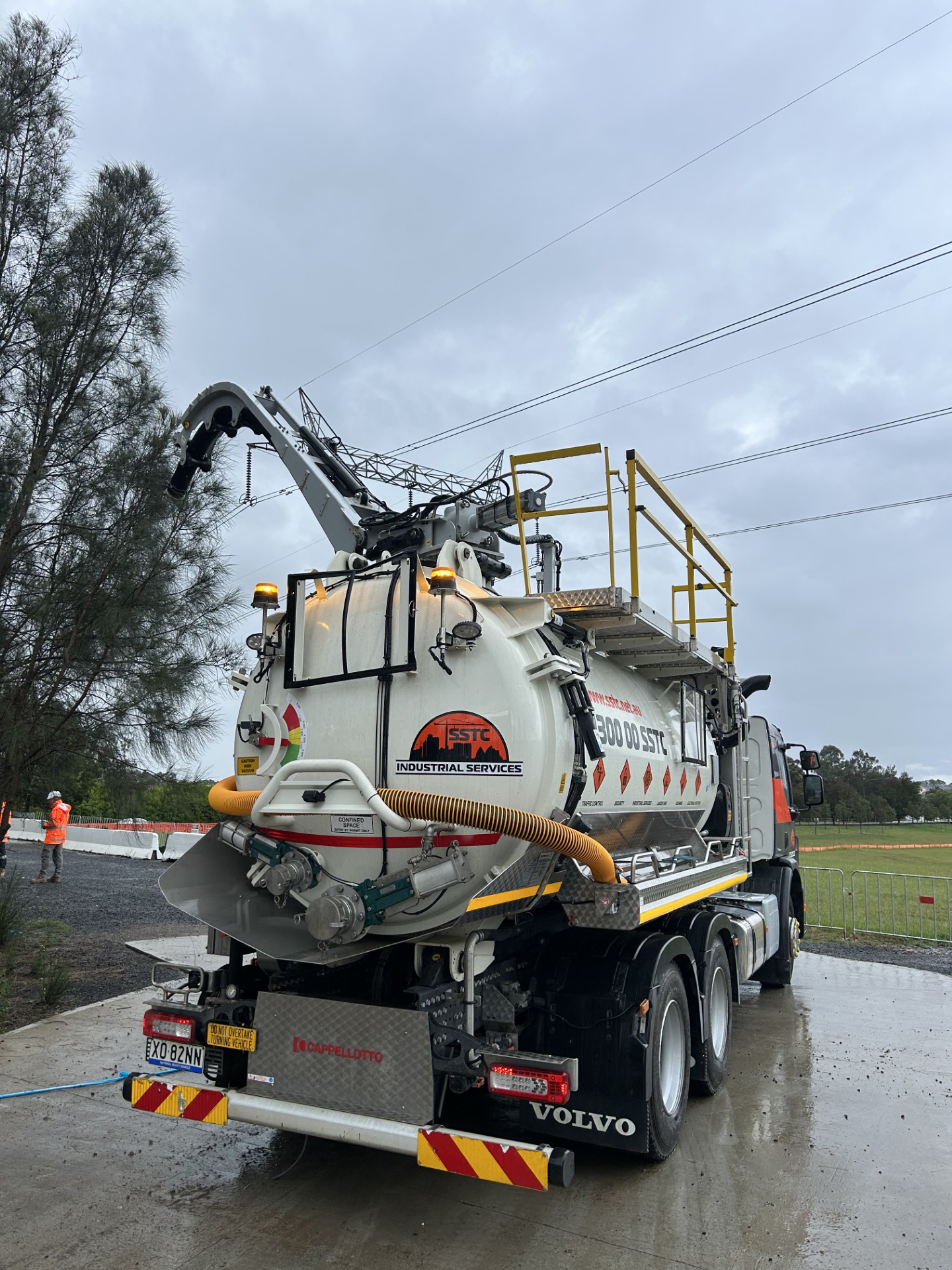
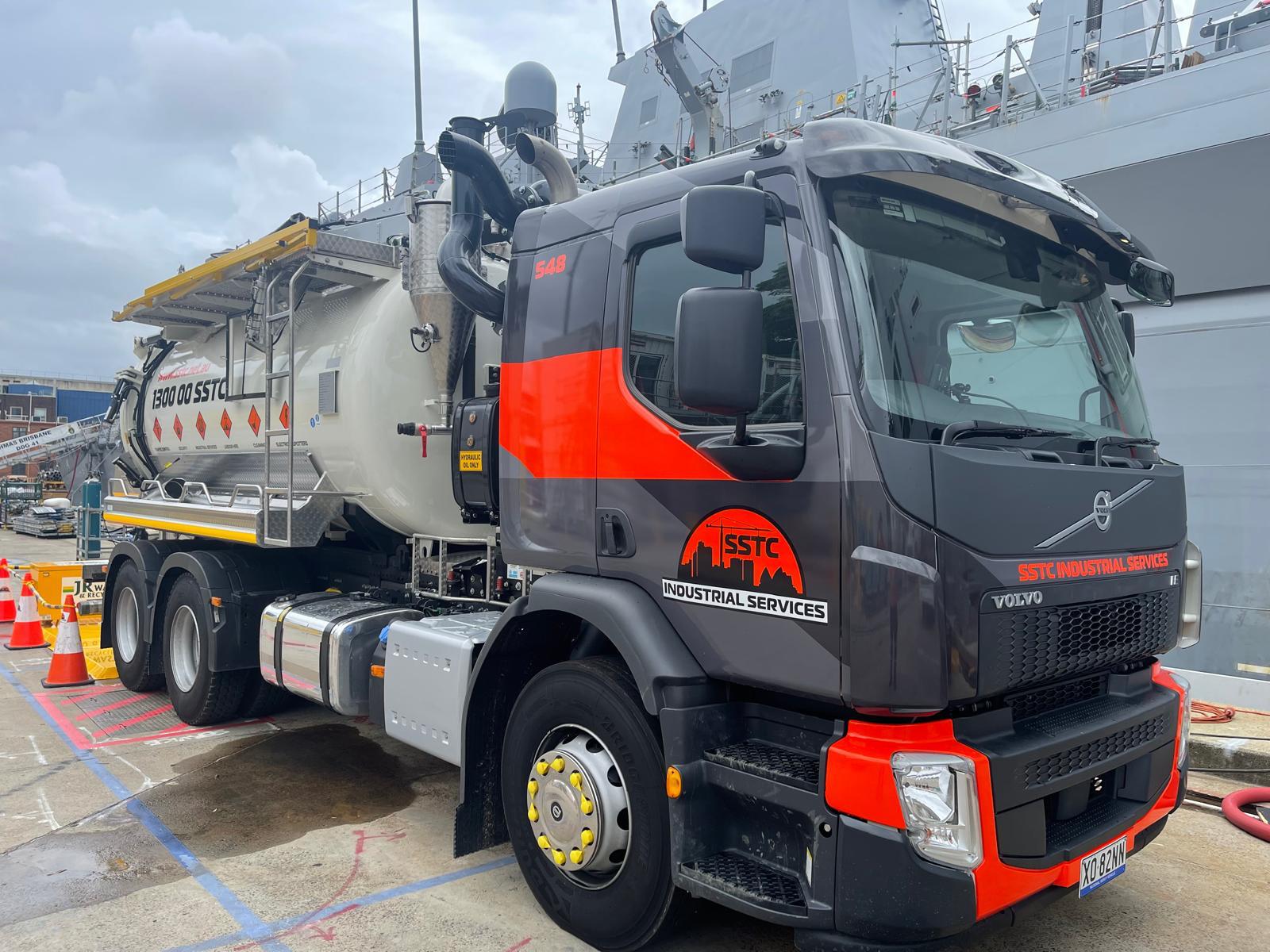
SSTC provides Capellotto vacuum truck operations across Greater Sydney for precise utility exposure, potholing, and trenching while reducing the risk of asset damage and unnecessary site disruption.

Need certified hydro excavation for your site?

babcock Ndd 7

Precision hydro excavation and vacuum truck services

Civil construction projects across Sydney require careful protection of subsurface utilities. Traditional excavation with heavy machinery can increase the risk of line strikes, costly utility disruptions, and site safety hazards.
SSTC delivers vacuum excavation services designed to reduce the risk of damaging electrical cables, gas mains, fibre-optic cables, and water infrastructure. Our veteran-led teams bring operational discipline to every site, supporting site planning and safe excavation practices around underground services.
By integrating non-destructive digging with our broader industrial safety and site services, we let project managers streamline site operations under a single, accountable provider.

More


Technical capabilities of Capellotto vacuum trucks

Our fleet includes Capellotto non-destructive digging trucks with high-pressure water delivery and vacuum extraction. These specialised units provide controlled high-pressure water and high-volume vacuum extraction to handle dense ground conditions across NSW.

More

Specialised equipment specifications

  • Excavation depth: High-pressure hoses can reach up to 10 metres deep, depending on site and equipment requirements.
  • Variable pressure control: Adjust water pressure to suit soil conditions and the excavation area's requirements.
  • Onboard slurry storage: Excavated slurry is collected and contained in the truck's holding tank for safe transport and disposal.
  • Controlled waste containment: Onboard tanks contain excavated slurry for transport and disposal in accordance with applicable site and waste-management requirements.
Where site hazards include atmospheric risks or live electrical networks, our crews can coordinate with onsite gas detection and atmospheric monitoring teams and electrical safety observer services where required.
VAC truck 1

Non-destructive digging vs traditional mechanical excavation

Feature Non-destructive digging (NDD) Traditional mechanical excavation
Asset safety Helps reduce the risk of damaging buried pipes, cables, and conduits. Greater potential for contact with underground utilities when excavation is not carefully controlled.
Excavation precision Targets specific areas with less surrounding ground disturbance. Can involve broader excavation and greater soil displacement.
Environmental impact Can reduce soil disturbance compared with some mechanical excavation methods. Can involve greater ground disturbance depending on the equipment and excavation method.
Site safety profile Can help reduce risks associated with utility strikes and some excavation activities when appropriate controls are used. Requires controls for plant movement, underground services, ground stability, and other excavation hazards.
Waste handling Excavated slurry can be contained in onboard tanks for transport and disposal. Excavated material may require separate stockpiling, handling, transport, or disposal.
NDD rail

Industry applications across Sydney infrastructure sites

Hydro excavation in Sydney serves civil, commercial, and municipal applications across Greater Sydney and regional NSW.

More

  • Utility potholing: Exposes buried assets to verify depth, alignment, and pipe material before heavy works begin.
  • Slot trenching: Cuts narrow, clean trenches for pipe and cable installation while limiting surrounding surface disturbance.
  • Sign and pole installation: Clears deep, precise holes for traffic signals, lighting columns, and perimeter fencing.
  • Restricted-area excavation: Removes soil and debris from areas where conventional excavation equipment may have limited access, subject to site-specific safety controls.
Our civil clients can also combine excavation with construction plans and permit support to manage council access approvals and traffic impacts concurrently.
For further regulatory guidelines on safe digging practice in NSW, refer to official SafeWork NSW excavation safety guidance.

Why tier-1 contractors trust SSTC

SSTC brings over 50 years of combined industry experience to civil and industrial construction projects. Founded by Director Liam Sweeton, our operations reflect more than 12 years of military experience, bringing discipline and accountability to site operations.

More

SSTC is ISO Certified and Supply Nation-certified, supporting contractors and government organisations seeking to engage certified Indigenous suppliers.

Frequently asked questions about hydro excavation

What is non-destructive digging used for?

Non-destructive digging can expose buried utilities, cut narrow trenches, clear soil and debris around structures, and excavate in areas where conventional heavy equipment may pose greater risks to underground services.

How deep can SSTC vacuum trucks excavate?

SSTC operates Capellotto vacuum trucks with high-pressure hoses that can reach depths of up to 10 metres, depending on site and equipment requirements.

Is hydro excavation safer than traditional digging?

Hydro excavation breaks apart soil using pressurised water rather than steel teeth or buckets. It offers a more controlled way to excavate around identified underground services and reduces the risk of utility damage. Appropriate site planning, utility location, and site-specific safety controls are still required.

How do I arrange hydro excavation for my Sydney project?

You can discuss your site requirements with SSTC by submitting your project specifications online or calling our team directly on 1300 007 782.

Site Security & Traffic Control © 2021. 
menu