Get A Free Quote
1300 007 782
Call Us On:
1300 007 782G10/RMS Accredited
Competitive Rates
ZERO Accidents or Injuries
25+ years combined experience
50+ years combined experience
Competitive Rates
G10/RMS Accredited
ISO Certified

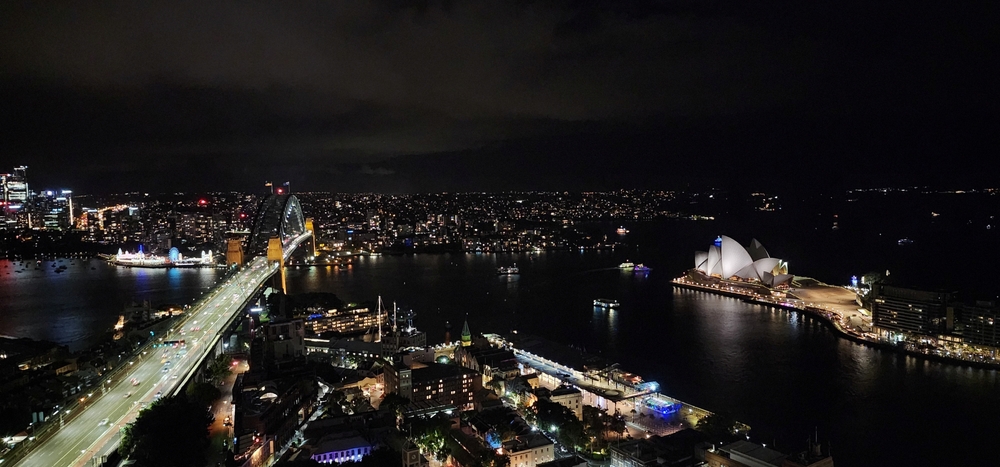
Sydney in 2026 is a city of movement. Between major infrastructure upgrades reshaping our skyline and a world-class calendar of sporting and cultural events, our road networks are being pushed to the limit. For councils, event organisers, and project managers, the challenge isn't just about getting people from A to B; it is about managing the surge.
When thousands of people descend on a single precinct or a major arterial road is restricted for upgrades, the difference between a "minor delay" and a "city-wide gridlock" comes down to one thing: a proactive congestion management strategy. At SSTC, we’ve spent years on the front lines of Sydney’s busiest corridors. We know that managing peak periods isn't just about placing cones; it’s about understanding the rhythm of the city and being ready for the unexpected.
Why does peak traffic management matter so much? Beyond the obvious frustration of drivers, unmanaged congestion creates a cascade of risks. High-density traffic leads to "stop-start" conditions, which are the primary cause of nose-to-tail accidents. During major events, poor traffic flow can lead to crowd crush at entry points or, worse, block emergency services from reaching the scene.
From an economic perspective, every minute a delivery truck or a bus sits idling is money lost. A well-executed special event traffic management plan ensures that the "economic heartbeat" of the city doesn't flatline just because there's a festival in the CBD or a marathon in Parramatta. For road works, managing the peak ensures that your site stays compliant with Transport for NSW (TfNSW) requirements, avoiding the heavy fines associated with causing unauthorised delays on state roads.
The most effective traffic control happens weeks before the first controller steps onto the road. In 2026, we have more data than ever at our disposal, but it takes an expert eye to turn that data into a safe reality.
Early planning begins with a thorough site and route audit. We look at "upstream" impacts—how a lane closure at one intersection will cause a backlog three blocks away. This is where a formal special event traffic management plan proves its worth. By modelling expected attendance and vehicle volumes, we can identify "choke points" and design interventions before they become problems.
Key Assessment Factors:
Managing event traffic control in Sydney requires a blend of rigid structure and fluid adaptability. Whether it's a concert at Accor Stadium or a community festival in the Northern Beaches, the strategy must prioritise the most vulnerable road users: pedestrians.
The core of any high-volume strategy is "Separation." We aim to keep pedestrians, cyclists, and vehicles in distinct, clearly marked corridors. This often involves temporary road closures, the implementation of "special event clearways," and the use of marshals to manage the pulses of people leaving a venue.
In 2026, we also utilise "Smart Tapers" and Variable Message Signs (VMS) to guide drivers. Instead of a driver realising a road is closed when they reach the barrier, our event traffic control in Sydney uses digital signage several kilometres away to encourage "early diversion," effectively thinning the traffic before it reaches the event precinct.
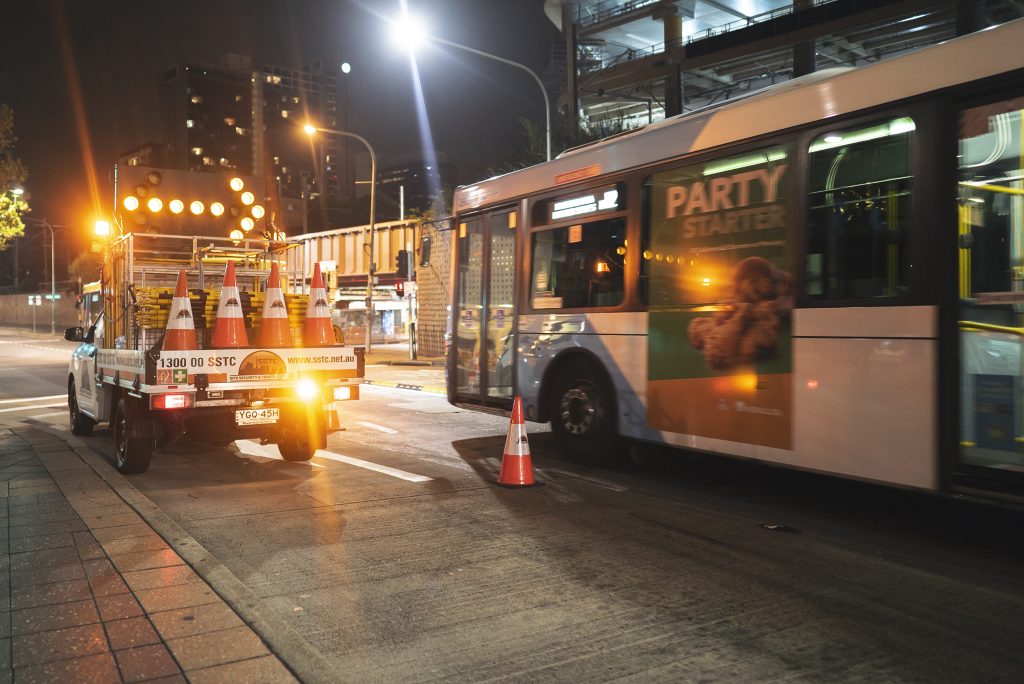
Road works often have the advantage of being planned well in advance, yet they are frequently the target of public ire. To maintain public support and site safety, a good congestion management strategy is essential.
One of the most effective tools we have is "Peak Spreading." By working with contractors to shift high-impact activities, like moving heavy plant or large pours, to "shoulder" periods (just before or after the traditional peak), we can minimise the footprint of the works during the busiest hours.
Signage clarity is another non-negotiable. A confused driver is a dangerous driver. We ensure that every detour is logical and well-illuminated. If a driver feels they are being led in circles, they are more likely to take risks or ignore traffic control directions.
You can have the best plan in the world, but if you don't have the right boots on the ground, it will fail. For peak traffic periods, resource allocation is about quality as much as quantity.
Event traffic control in Sydney demands specialised personnel. These aren't just "sign holders"; they are conflict resolution experts and logistics coordinators. They must be able to manage a frustrated driver with one hand and coordinate a shuttle bus arrival via radio with the other.
On the equipment side, we deploy:
By "right-sizing" the team and the gear, we ensure that your budget is spent where it has the most impact on safety and flow.
In 2026, a static plan is a failing plan. Traffic is dynamic; an accident ten kilometres away or a sudden downpour can completely change the flow of your site.
The final layer of a successful congestion management strategy is real-time monitoring. Ensure supervisors have access to live data feeds and maintain constant communication with the Transport Management Centre (TMC). If you see a queue starting to build beyond an acceptable threshold, have pre-agreed "Contingency Triggers" in place. This might mean adjusting a signal timer, opening an extra lane for ten minutes, or deploying an additional marshal to a specific intersection.
This "Active Management" approach prevents minor delays from snowballing into the kind of congestion that makes the evening news.
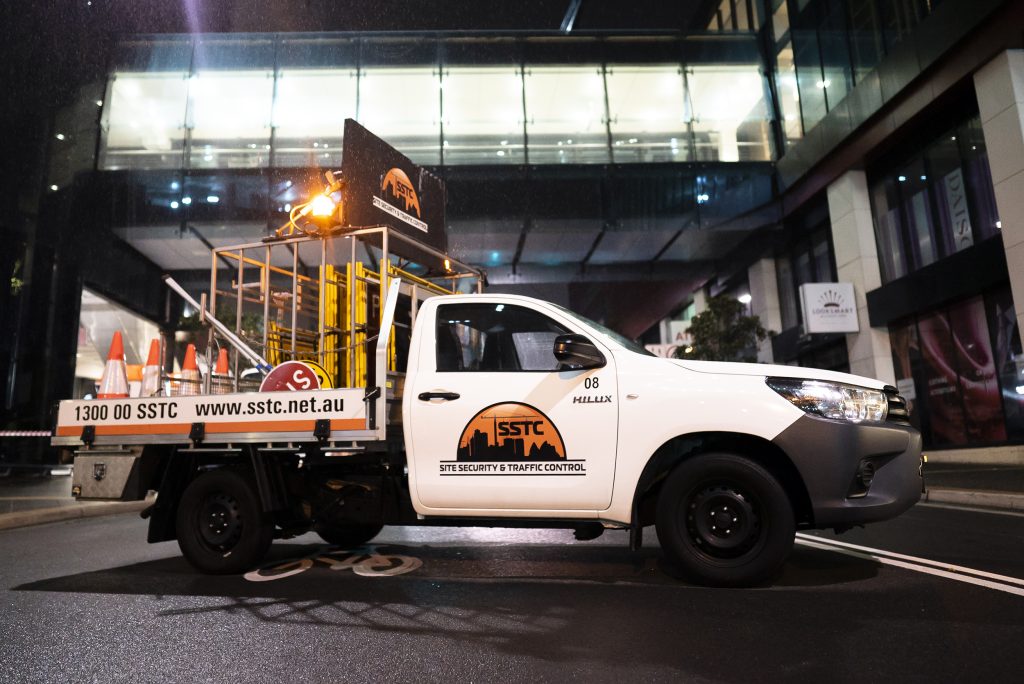
Peak periods don't have to mean peak stress. Whether you are planning a milestone community event or a major highway upgrade, the key to success is a partner who understands the complexity of the Sydney landscape. Managing congestion is an art and a science, and it requires a team that is as committed to your project's reputation as you are.
At SSTC, we provide end-to-end solutions that take the guesswork out of traffic logistics. From the drafting of a compliant Traffic Control Plan (TCP) to the professional delivery of on-ground traffic control services, we prioritise safety, compliance, and efficiency.
Don't let congestion derail your next project. Trust the specialists who have been keeping Sydney moving through its busiest hours for years. If you are ready to build a smarter, safer plan for your next peak-period challenge, head to our free quote page today. Let’s work together to give your project the green light it deserves.