Get A Free Quote
1300 007 782
Call Us On:
1300 007 782G10/RMS Accredited
Competitive Rates
ZERO Accidents or Injuries
25+ years combined experience
50+ years combined experience
Competitive Rates
G10/RMS Accredited
ISO Certified

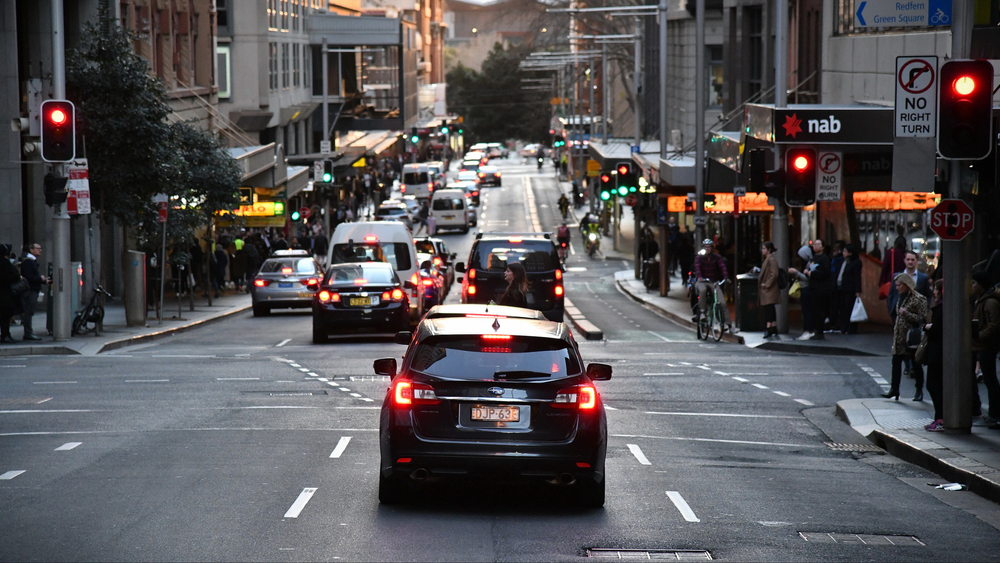
In infrastructure and urban development, the success of a project is often measured not just by what is built, but by how little the surrounding world is disturbed during the process. For project managers, developers, and Tier 1 contractors, the road network is a fragile ecosystem. A single lane closure in a suburb like Ryde doesn’t just affect the immediate street; without meticulous oversight, it can trigger a "butterfly effect" that results in a standstill in Epping, North Sydney, or Rhodes.
This phenomenon is more than an inconvenience; it represents a significant risk known as gridlock liability. When a project causes systemic failure in the local transport network, the repercussions range from heavy liquidated damages and regulatory fines to irreparable brand damage. To combat this, the industry is shifting toward Predictive Traffic Control, a data-driven approach that anticipates the "knock-on" effects of roadwork before the first traffic cone is even placed on the asphalt.
The interconnectedness of the Greater Sydney road network means that traffic flow is rarely isolated to a single council area. Our arterial roads and suburban feeders operate on a delicate balance of capacity and timing. When a construction site requires a temporary road closure or a significant diversion, the displaced volume of vehicles must go somewhere. If the detour route is already operating at 90% capacity, that additional 10% doesn’t just cause a slowdown; it causes a total systemic collapse.
This "knock-on" gridlock is the primary driver of gridlock liability prevention strategies. For a contractor, liability isn't just about physical safety on-site; it’s about the economic and social cost of a city coming to a halt. If a closure in one suburb causes a bus route to fail three suburbs away, or prevents emergency services from navigating a major intersection, the responsible party faces intense scrutiny from Transport for NSW (TfNSW) and the public.
Consider the complexity of a major corridor like the Pacific Highway or the M4. A minor oversight in a Traffic Control Plan (TCP) can lead to a queue that backs up into major intersections, blocking "cross-flow" traffic. Suddenly, motorists who aren't even travelling near your worksite are trapped in a gridlock caused by your project. This is why modern traffic management has evolved beyond simple flagging. It now requires a deep understanding of how suburban networks breathe and react to pressure. By prioritising gridlock liability prevention, SSTC ensures that our clients are protected from the logistical and reputational fallout of unforeseen traffic congestion.

The solution to regional gridlock lies in moving away from "static" planning and embracing "adaptive" methodologies. Traditionally, traffic management was reactive; if a queue formed, you adjusted the signs. Today, we use predictive traffic modelling in NSW to simulate the impact of a closure long before it happens.
Predictive traffic modelling for NSW projects allows us to input variables such as time of day, historical traffic volumes, and concurrent local events into a digital twin of the road network. By doing so, we can see exactly how a lane narrowing in a busy hub will affect the saturation levels of nearby side streets. This data allows us to identify "tipping points", the exact moment when a delay transitions from a minor annoyance to a multi-suburb gridlock.
Adaptive Traffic Control takes this a step further by using real-time data to manage the site. Rather than sticking to a rigid, preset plan that may not account for a sudden spike in traffic or a nearby breakdown, adaptive systems allow traffic controllers to modify flows based on real-time conditions. This might involve adjusting the timing of portable traffic signals or dynamically shifting detour routes.
To implement predictive traffic modelling across NSW worksites, a "stress test" of the proposed Construction Traffic Management Plan (CTMP) is conducted. Data show that a specific closure window is safer and more efficient between 10:00 PM and 5:00 AM than during a standard night shift. This level of insight is what separates a standard traffic provider from a strategic partner. It transforms traffic management from a "grudge purchase" into a sophisticated risk-mitigation tool that keeps the project moving and the public moving with it.
Efficiency in traffic management is often found in the "spaces between" the projects. In a booming city like Sydney, it is common for multiple contractors to be working within the same five-kilometre radius, perhaps one on a utility upgrade, another on a residential high-rise, and a third on a council road resurfacing. Without high-level coordination, these independent projects can inadvertently "box in" a suburb, leaving no viable routes for local traffic.
This is where TfNSW Accredited traffic planning becomes essential. An accredited planner doesn't just look at the site map; they look at the broader "Road Occupancy" landscape. They coordinate with the Transport Management Centre (TMC) and local government authorities to ensure that your project’s footprint doesn't conflict with that of another project.
Minimising disruption also requires a granular focus on the "first and last mile" of the diversion. It’s not enough to put up a "Road Closed" sign; you must manage the driver’s psychology. Clear, predictive signage that alerts drivers kilometres in advance allows them to choose alternate routes early, naturally thinning the volume of traffic that reaches the actual bottleneck.
Furthermore, focus on the integration of pedestrian and cyclist movements. In densely populated suburbs, a "gridlock" isn't always vehicular. If a footway is closed without a clear, accessible alternative, the resulting pedestrian congestion can spill onto the road, creating further hazards and delays. Professional planning ensures that every road user, whether on four wheels, two wheels, or on foot, is accounted for in a way that maintains the suburb's equilibrium.
In the modern construction landscape, being "on time and on budget" is inextricably linked to how well you manage the public space. The reputational damage of a "traffic disaster" can follow a firm for years, affecting future tender opportunities and community relations. By investing in high-quality predictive traffic modelling in NSW, you aren't just managing cars; you are managing your project’s risk profile and ensuring gridlock liability prevention.
At SSTC, we combine years of on-the-ground experience with the latest in TfNSW-accredited traffic planning to provide a seamless service that protects your project from the "knock-on" effects of urban congestion. We understand that a road closure in one suburb is a challenge for the whole region, and we have the data, expertise, and personnel to manage it effectively.
Don't leave your project's reputation to chance or outdated, static plans. Whether you require the development of a comprehensive Construction Traffic Management Plan (CTMP) that accounts for multi-suburb impacts, or you need highly precise Traffic Control Plans (TCP) that satisfy the most stringent council requirements, our team is ready to assist. We offer end-to-end traffic control services designed to keep your site safe and the surrounding traffic flowing.
To ensure your next project avoids the pitfalls of suburban gridlock and regulatory friction, reach out to the experts at Site Safe Traffic Control today. Get a free quote to see how our data-driven approach can be tailored to your specific site needs. Let us help you navigate the complexities of the NSW road network, so you can focus on building the future of our city while we keep the present moving.