Get A Free Quote
1300 007 782
Call Us On:
1300 007 782G10/RMS Accredited
Competitive Rates
ZERO Accidents or Injuries
25+ years combined experience
50+ years combined experience
Competitive Rates
G10/RMS Accredited
ISO Certified

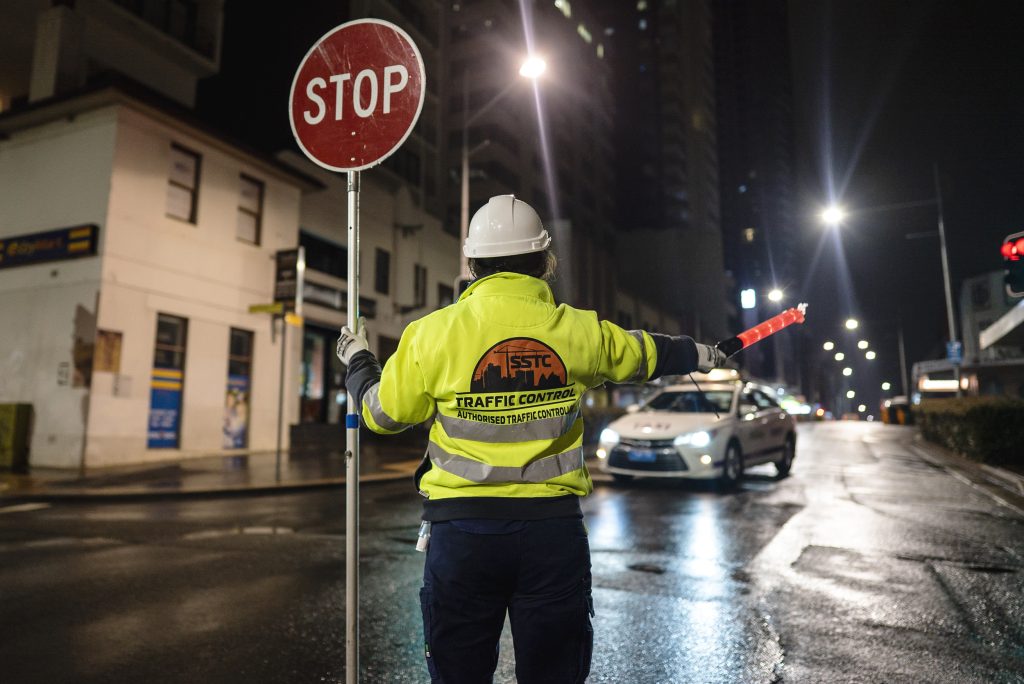
In Sydney construction, the difference between a profitable project and a financial headache often lies in the details of the "pre-start" phase. As we navigate the complexities of the 2026 infrastructure landscape, one element consistently catches project managers off guard: traffic management.
Whether you are overseeing a multi-storey development in Parramatta or a utility upgrade in the CBD, traffic control is more than just a regulatory hurdle; it is a significant line item that demands precision. Underestimating these costs doesn't just impact your margins; it can stall your entire site.
A comprehensive construction traffic management budget is far more than an allowance for a few workers with "Stop/Slow" bats. In 2026, the scope of traffic management has evolved to include sophisticated digital planning, high-tech hardware, and rigorous compliance standards set by Transport for NSW (TfNSW) and local councils.
To build an accurate budget, you must first view traffic management as a multi-layered service. It begins with the design phase, where Traffic Guidance Schemes (TGS) and Traffic Management Plans (TMP) are established, and extends to the physical implementation on the road. A robust budget should account for:
By understanding that these elements are interdependent, project managers can move away from "guesstimating" and toward a data-driven approach to traffic control cost estimating.
It is a common story across NSW worksites: the project is 40% complete, and the traffic management budget is already 80% spent. Why does this happen? Usually, it is because the initial estimate was based on "best-case scenario" conditions.
One major factor is the complexity of Sydney’s road network. In 2026, traffic volumes are higher than ever, and the window for road occupancy is narrowing. If your budget assumes an 8-hour shift but the council only allows a 5-hour window for lane closures, your "per hour" cost effectively doubles because you are still paying for minimum call-outs and mobilisation.
Furthermore, many managers fail to account for the "ripple effect" of construction delays. If a concrete pour runs late and your traffic controllers need to stay on-site for an extra three hours, you aren't just paying for their time; you are often entering into overtime rates and penalty shifts. Without a buffer for these contingencies, traffic control cost estimating becomes an exercise in frustration rather than financial control.

To get your numbers right, you need to break down the primary drivers of cost. While prices fluctuate based on the scale of the project, the following categories represent the core of Sydney Traffic Control hire rates in the current market.
Labour is typically the largest component of your budget. In Sydney, rates are governed by industry awards and the high demand for qualified personnel. You must factor in:
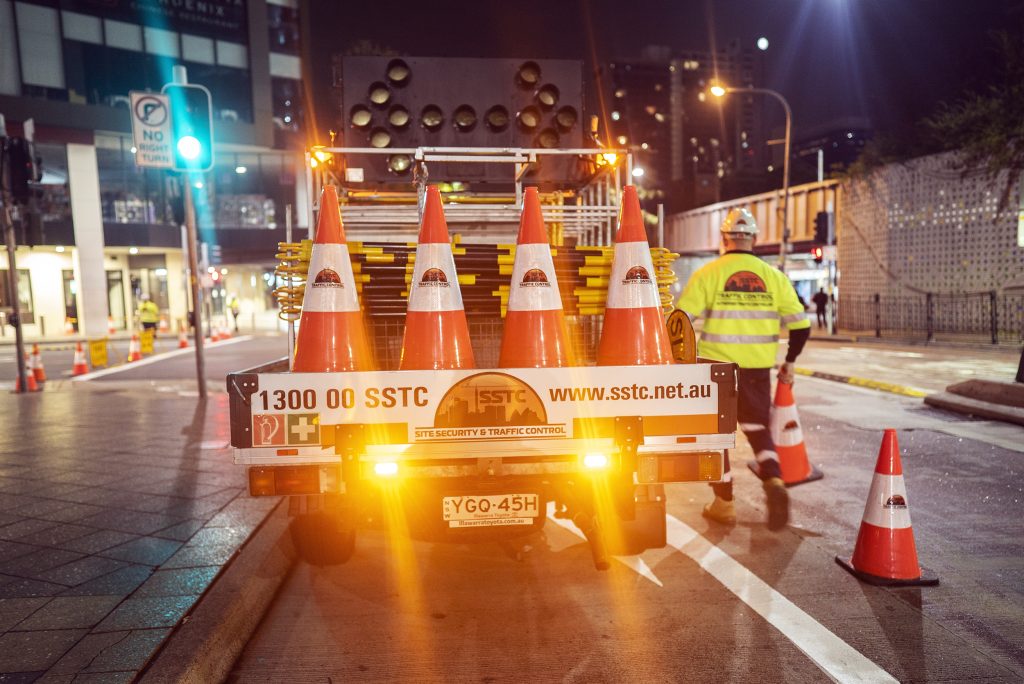
Traffic control isn't just people; it’s the equipment that keeps them safe. Modern Sydney Traffic Control hire rates for vehicles often include:
Before a single cone is placed, you have administrative costs. This includes the cost of drafting a TGS (formerly known as a TCP) and the application fees for council permits. In 2026, many Sydney councils have increased their "Road Reserve" fees, which can add thousands to a long-term project if not calculated early.
The "obvious" costs, the hourly rate of a controller or the daily hire of a VMS, are rarely what break a budget. It is the hidden, often overlooked expenses that cause the most damage.
Many firms charge "travel time" to get staff and equipment to the site. If your site is in a remote part of Greater Sydney or requires specialised equipment from a distant depot, these costs add up quickly.
If your site conditions change, for example, if a new excavation requires a different lane configuration, your existing TGS may no longer be compliant. The cost to have a planner redesign the scheme and get it re-approved on short notice is a "hidden" expense that frequently occurs on dynamic construction sites.
This is the cost no one wants to pay. If your traffic setup does not perfectly mirror your approved plans, or if your permits have expired, SafeWork NSW or council rangers can issue hefty fines or, worse, shut down your site. A cheap traffic provider who cuts corners on compliance will eventually cost you more in fines and downtime than a premium, compliant partner would have cost from the start.
In a city like Sydney, rain is a constant variable. Understanding your provider’s cancellation policy is vital for your construction traffic management budget. If you cancel too late, you may still be liable for a 4-hour minimum for the entire crew.
The secret to maintaining your margins is proactive planning. Rather than treating traffic control as a "commodity" to be shopped around for at the last minute, it should be integrated into your project's early-stage feasibility.
Start by engaging a traffic management partner during the tender phase. A specialist like SSTC can provide more accurate traffic control cost estimating by identifying potential bottlenecks before they occur. For example, we might identify that a specific council requires a specialised TMA that wasn't in your initial plan, allowing you to price your bid accordingly.
Another strategy is "Right-Sizing" your crew. Sometimes, adding an extra controller can actually save you money. How? By ensuring that traffic flows more efficiently, allowing your construction teams to complete their work faster and reduce the total number of days you need traffic management on-site.
Finally, leverage technology. In 2026, digital TGS tracking and real-time reporting allow project managers to see exactly how many hours are being used and where. This transparency prevents "invoice shock" at the end of the month and ensures your Sydney Traffic Control hire rates remain competitive and justified.
Building in Sydney is a complex undertaking, but your traffic management budget shouldn't be a mystery. By understanding the breakdown of labour, equipment, and the hidden traps of compliance, you can protect your project's bottom line and ensure the safety of your crew and the public.
At SSTC, we pride ourselves on transparency and expertise. We don't just provide staff; we provide a comprehensive safety solution tailored to the unique demands of the NSW construction industry. Whether you need expert advice on traffic management for a new tender or you require high-capacity construction traffic control for an ongoing project, our team is here to help you navigate the costs and requirements of 2026.
Don't let a budget blowout stall your progress. Partner with the specialists who understand the Sydney landscape from the ground up. Explore our full range of traffic control services today to see how we prioritise both safety and fiscal responsibility. If you are ready to get an accurate, no-obligation estimate for your next project, reach out to get a free quote and let’s build a safer, more efficient Sydney together.