Get A Free Quote
1300 007 782
Call Us On:
1300 007 782G10/RMS Accredited
Competitive Rates
ZERO Accidents or Injuries
25+ years combined experience
50+ years combined experience
Competitive Rates
G10/RMS Accredited
ISO Certified

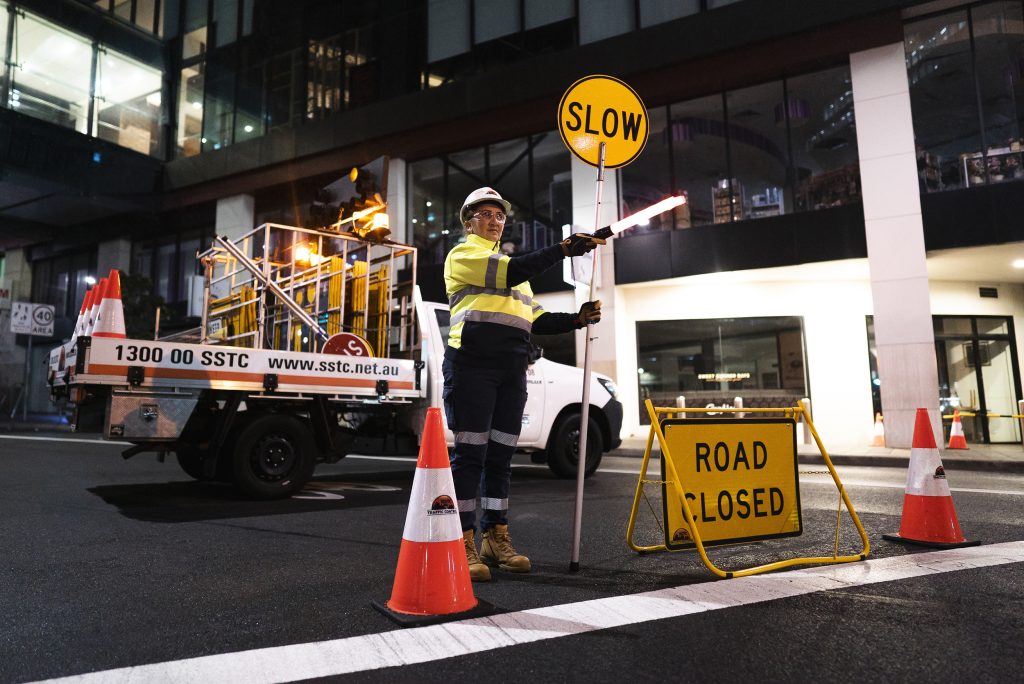
In the construction industry, the schedule is everything. Site Managers and Project Managers live by the critical path, orchestrating a complex ballet of trades, material deliveries, and machinery hire. Yet, there is one external factor that consistently threatens to derail even the most meticulously planned projects in Sydney and NSW: the Road Occupancy Licence (ROL).
It is a scenario we see too often. A site is ready to break ground. The crane is booked, the concrete pumps are scheduled, and the labour is hired. But three days before the start date, the realisation hits: the permit to close the lane hasn't been approved. Suddenly, the project is stalled, costs are spiralling, and the timeline is pushed out indefinitely.
Navigating the bureaucracy of Transport for NSW (TfNSW) and local Councils requires more than just filling out a form. It requires strategic foresight, technical accuracy, and a deep understanding of the "unwritten rules" of traffic approvals. This guide strips away the confusion surrounding ROL timelines, helping you plan effectively and avoid the costly trap of "hurry up and wait."
A Road Occupancy Licence (ROL) is an official authorisation required for any activity that impacts the flow of traffic on a State Road or within 100 metres of traffic signals on any road in NSW.
It is important to understand that "impact" does not just mean digging up the tarmac. You likely need an ROL if you are:
The ROL is the mechanism by which the Traffic Management Centre (TMC) ensures that your private construction work does not cause gridlock across the public network. Without a valid ROL in hand, setting up traffic control on a State Road is illegal and carries heavy fines, not to mention the immediate shutdown of your site by police or council rangers.
The most common question developers ask is, "How fast can I get a permit?"
The official guideline from the Traffic Management Centre (TMC) is 10 business days. This means at least two full weeks.
However, treating this 10-day window as a guarantee is a risky strategy. This timeframe assumes that your application is perfect, the impact on traffic is minimal, and the TMC assessors are not overwhelmed with other applications. In reality, complex setups on major arterial roads (like the Pacific Highway, Parramatta Road, or the Princes Highway) can take significantly longer to assess.
This is why engaging a professional planning team early in the process is vital. Submitting compliant plans the first time prevents the back-and-forth ping-pong that kills project timelines.
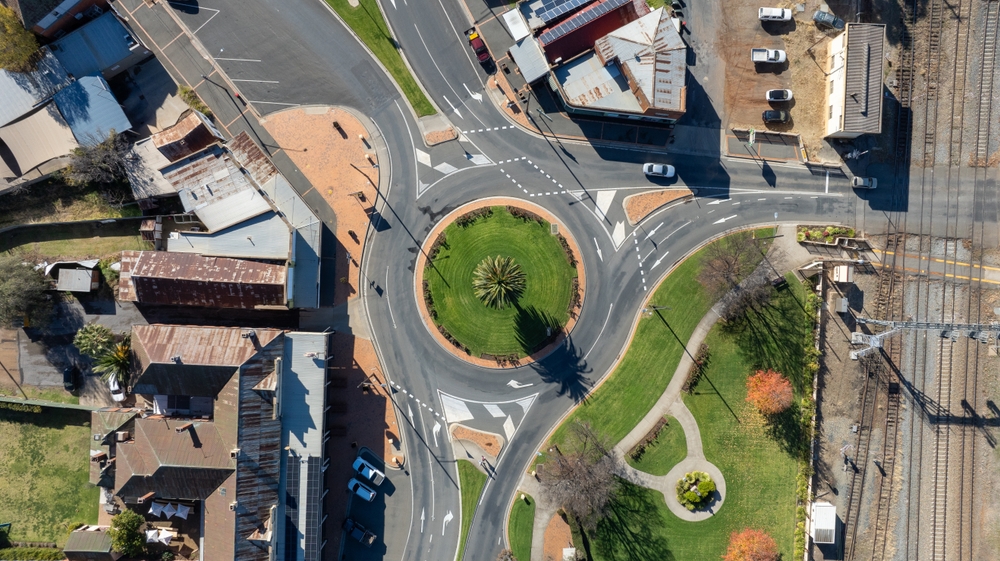
One of the biggest sources of confusion—and delay—is determining who actually owns the road. Sydney’s road network is a patchwork of State Roads (managed by TfNSW) and Local Roads (managed by Councils).
We have seen countless projects delayed because a developer applied to the Council for a permit, waited two weeks for approval, and was then told on the final day, "You are too close to the lights; you need to go to the TMC." This forces the project back to square one.
Effective planning involves conducting immediate due diligence on your location. Identifying exactly whose jurisdiction you fall under allows you to lodge the correct applications immediately, often running Council and TMC applications in parallel to save time.
The Traffic Management Centre does not reject applications to be difficult; they reject them to protect the network. Understanding their criteria is key to getting approved.
If you apply to close a lane on a major commuter corridor at 8:00 AM on a Monday, you will be rejected. Most State Roads have strict "Clearway" times or peak hour restrictions (usually 6:00 AM – 10:00 AM and 3:00 PM – 7:00 PM).
Hand-drawn sketches or generic "copy-paste" templates do not cut it. The plan must be drawn to scale, referencing specific Australian Standards (AS1742.3), and accounting for existing road furniture.
Every year, there is a strict embargo on roadworks during the Christmas and New Year period (usually mid-December to early January) and over the Easter long weekend. ROLs are almost never granted for non-emergency works during these times.
There are rare occasions where immediate work is required—a burst water main, a dangerous structural failure, or urgent utility repairs. In these genuine emergencies, the 10-day rule can be bypassed via an Emergency ROL.
However, this is not a loophole for poor planning. The TMC requires stringent proof of the emergency nature of the works. While we have a 24/7 emergency response capability to mobilise crews and secure emergency authorisations rapidly, this path is strictly reserved for immediate threats to safety or essential services.
Securing the ROL is only half the battle; executing the closure safely is the other. Once the permit is approved, the transition to operations must be seamless.
By using a single provider for both the planning/permitting phase and the on-road execution, you eliminate the "handover risk." Traffic controllers arrive on site with the approved permit and the exact TGS in hand. They know the specific conditions of the licence—such as strict "road open" times—and adhere to them.
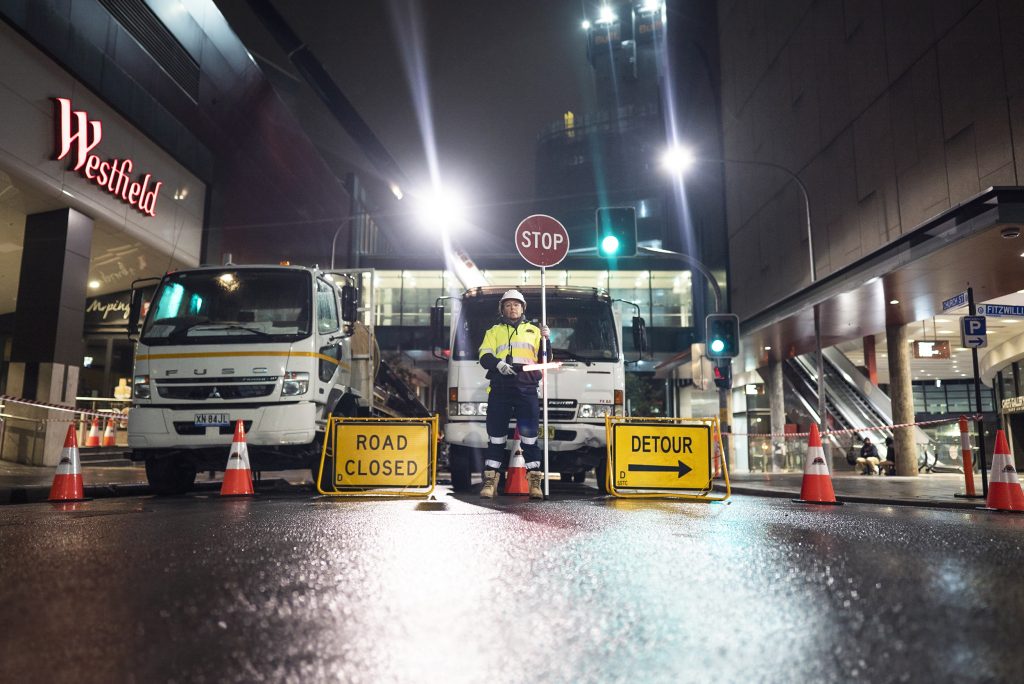
In the high-stakes environment of Sydney construction, the cost of an idle site far outweighs the cost of professional planning. The "wait and see" approach to a Road Occupancy Licence is a gamble that rarely pays off. The bureaucracy of the road network is complex, rigid, and unforgiving of errors, but it is navigable with the right partner by your side.
At Site Security and Traffic Control, we view the permitting process as a critical phase of construction logistics. We take the administrative burden off your shoulders, managing the timeline, the design, and the negotiation with authorities. Our goal is simple: to ensure that when your trucks arrive, the road is open, the permit is valid, and your project can proceed without interruption. If you are looking to secure your next Road Occupancy Licence without the stress, we invite you to explore our Traffic Control Services or discuss your next project with our specialised Construction Traffic Control team. Get a free quote today.