Get A Free Quote
1300 007 782
Call Us On:
1300 007 782G10/RMS Accredited
Competitive Rates
ZERO Accidents or Injuries
25+ years combined experience
50+ years combined experience
Competitive Rates
G10/RMS Accredited
ISO Certified

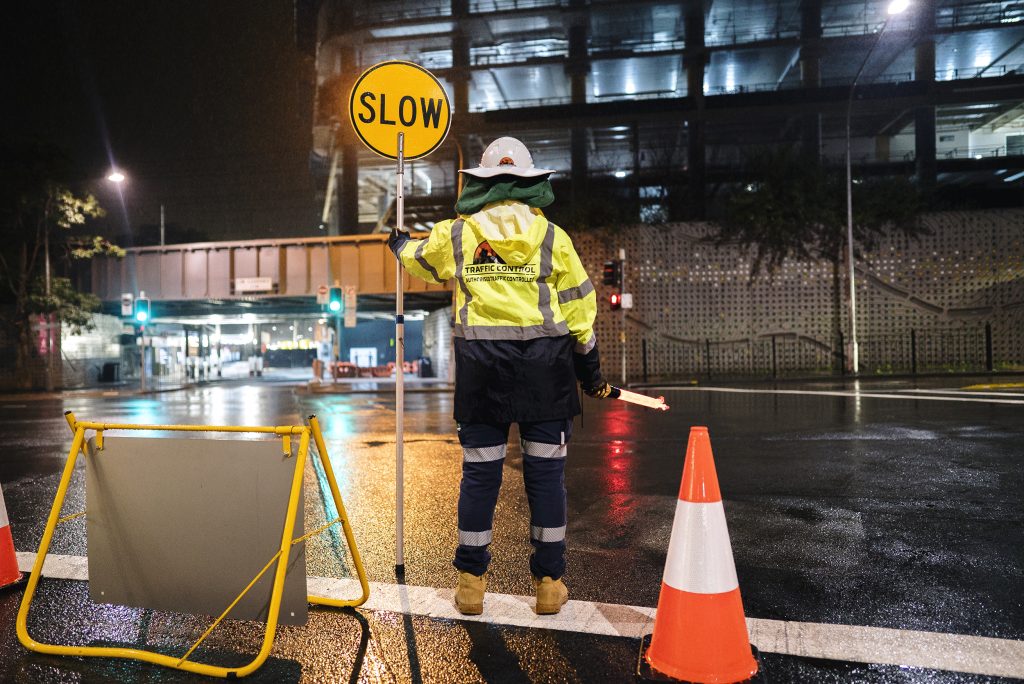
In the high-stakes environment of Sydney construction, a Traffic Control Plan (TCP) is much more than a mandatory piece of paper required for a council permit. It is the tactical blueprint for the safety of your crew, the public, and the surrounding road network. However, as we move through 2026, the complexity of our urban landscape means that a "standard" plan often isn't enough to cover the dynamic realities of a live worksite.
When a plan fails, the consequences ripple far beyond a simple traffic jam. From heavy financial penalties to catastrophic safety breaches, the cost of a poorly executed strategy is always higher than the investment in a professional one. At SSTC, we’ve seen where the cracks usually appear. Understanding these common pitfalls is the first step toward ensuring your project stays on track, on budget, and above all, safe.
The transition from a theoretical plan on a computer screen to a physical setup on a busy Sydney road is where most errors occur. Often, the failure isn't due to a lack of effort, but a lack of foresight. Relying on "cookie-cutter" templates without considering the unique geometry of a street or the specific behaviour of local motorists is a recipe for disaster.
Inadequate site-specific TMP risks are among the most significant threats to project continuity. When a plan doesn't account for the actual footprint of the machinery or the sightlines of oncoming drivers, the "safe zone" becomes anything but. Here are the five most common mistakes we see in the field and how they manifest.
One of the quickest ways to compromise a site is to try to "lean out" the traffic control budget by reducing personnel or equipment. A plan might look sufficient on paper with two controllers, but if that site has a blind corner or a high volume of heavy vehicle movements, those two individuals will quickly become overwhelmed.
Underestimating equipment is equally dangerous. Whether it’s not having enough water-filled barriers to protect a pedestrian walkway or lacking the appropriate VMS boards to alert drivers well in advance, equipment shortages lead to improvised setups. Improvisation on a road is a direct path to AS1742.3 non-compliance penalties. The Australian Standard exists for a reason; if your setup doesn't meet the specified tapers, distances, or sign sizes, you are technically operating an illegal worksite.
Sydney is a patchwork of different council requirements, and what works in the Inner West might not fly in the Northern Beaches. A common mistake is assuming that a state-level Road Occupancy Licence (ROL) covers all your bases. Failing to secure the specific local council permits for parking bay closures or footpath occupations can result in an immediate "stop-work" order.
Traffic control liability in NSW is a serious matter. If an incident occurs and it is discovered that your site was operating outside the hours permitted by your license, or without the correct verified TCP, the liability shift can be devastating for the head contractor. Regulatory oversight in 2026 is stricter than ever, with digital auditing making it easier for authorities to spot permit discrepancies in real-time.
No two kilometres of Sydney road are the same. A plan that worked perfectly for a utility repair in a quiet suburb will fail miserably on a bus route in the CBD. The inadequate site-specific TMP risks often stem from a failure to perform a physical site walk-through during the planning phase.
Are there schools nearby with specific "drop-off" peak hours? Is there a hidden driveway that will be blocked by your work zone? Is the street lighting sufficient for night work? If your TCP doesn't answer these questions, it isn't a plan—it's a guess. Ignoring the "micro-traffic" patterns of a specific street leads to frustrated locals, aggressive driving, and an increased risk of accidents.
Construction is fluid. Pours get delayed, excavations reveal unexpected pipes, and weather shifts the schedule. A TCP is a "live" document, yet many project managers treat it as a static one. When the site footprint changes but the traffic setup stays the same, you create confusion.
Communication failures often extend to the traffic controllers themselves. If the site foreman hasn't briefed the traffic team on the day’s specific heavy vehicle movements, the controllers can't effectively manage the gates. This lack of synchronicity creates gaps in the perimeter where unauthorised vehicles or pedestrians can wander into the "Live" work area.
What happens if a vehicle breaks down inside your lane closure? What if an emergency vehicle needs to pass through your one-way side-track? Many plans fail because they have no "Plan B."
A robust plan must include emergency vehicle access protocols and contingency plans for unexpected bottlenecks. Without these, a minor hiccup can turn into a gridlocked nightmare that draws the unwanted attention of Transport for NSW (TfNSW) and local law enforcement.
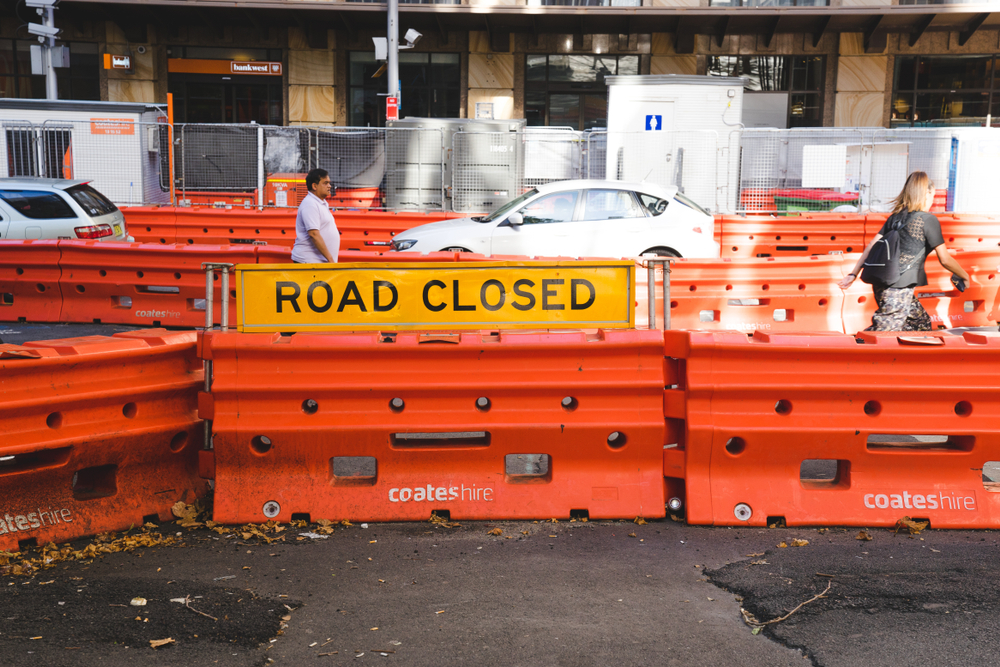
The fallout from these mistakes isn't just bureaucratic; it's tangible.
First and foremost is Safety. When a TCP is flawed, the physical barriers between a 20-tonne excavator and a passing family car are weakened. In the worst-case scenario, this leads to injuries or fatalities, which are tragedies that no project can ever truly recover from.
Secondly, there are the Timelines. An incorrectly flagged site is often shut down by SafeWork NSW or council rangers. A "stop-work" order doesn't just pause the traffic; it pauses the entire build. In the world of liquidated damages, a two-day shutdown because of a permit error can cost a project hundreds of thousands of dollars.
Finally, the Budget. Beyond the AS1742.3 non-compliance penalties, which can be substantial, there is the cost of remediation. Fixing a bad setup on the fly is always more expensive than doing it right the first time. You end up paying for emergency equipment hire, rush rates for revised plans, and additional labour to manage the chaos.
Avoiding these pitfalls requires a shift in mindset: see traffic management as a specialised engineering discipline rather than a labour-hire commodity.
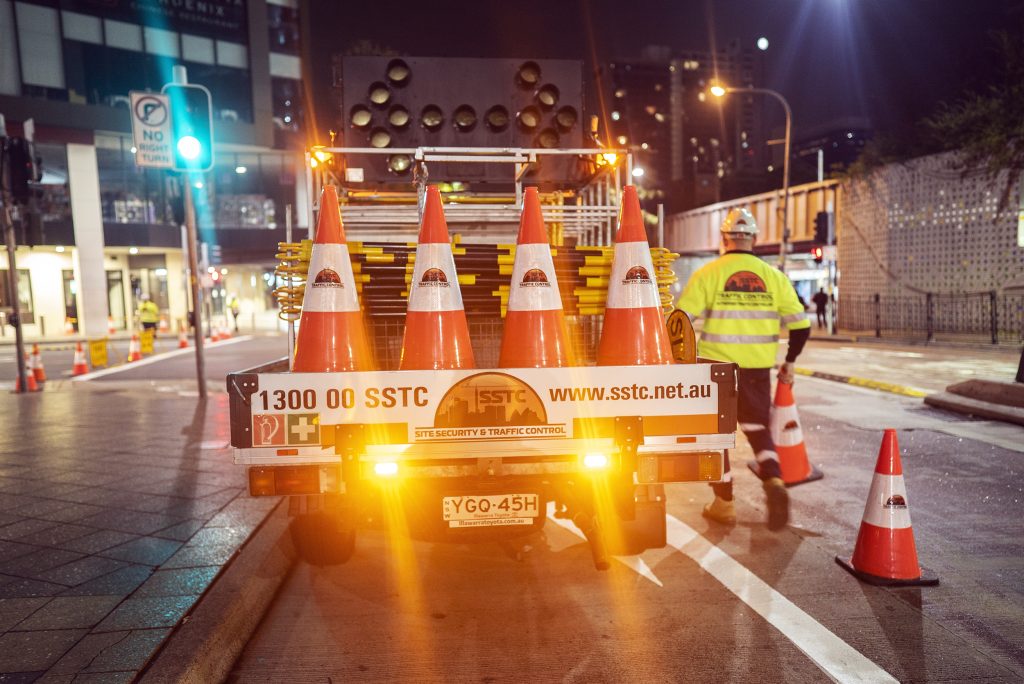
The risks of getting it wrong are simply too high to ignore. Between the complexities of traffic control liability in NSW and the strict requirements of Australian Standards, you need a partner who views your site with the precision it deserves. A flawed plan is a liability; a professional plan is an asset that protects your people and your profits.
At SSTC, we specialise in turning complex logistics into seamless operations. Our team doesn't just provide "off-the-shelf" solutions; we craft meticulous traffic control plans (TCP) that are designed for the specific realities of your Sydney worksite. From the initial drafting of a Construction Traffic Management Plan (CTMP) to the professional delivery of on-site traffic control services, we ensure your project remains compliant and efficient. Don't wait for a safety breach or a council fine to realise your plan isn't up to scratch. Contact us today and get a free quote. Let our experts build you a blueprint for success that keeps your project moving forward without the drama.