Get A Free Quote
1300 007 782
Call Us On:
1300 007 782G10/RMS Accredited
Competitive Rates
ZERO Accidents or Injuries
25+ years combined experience
50+ years combined experience
Competitive Rates
G10/RMS Accredited
ISO Certified

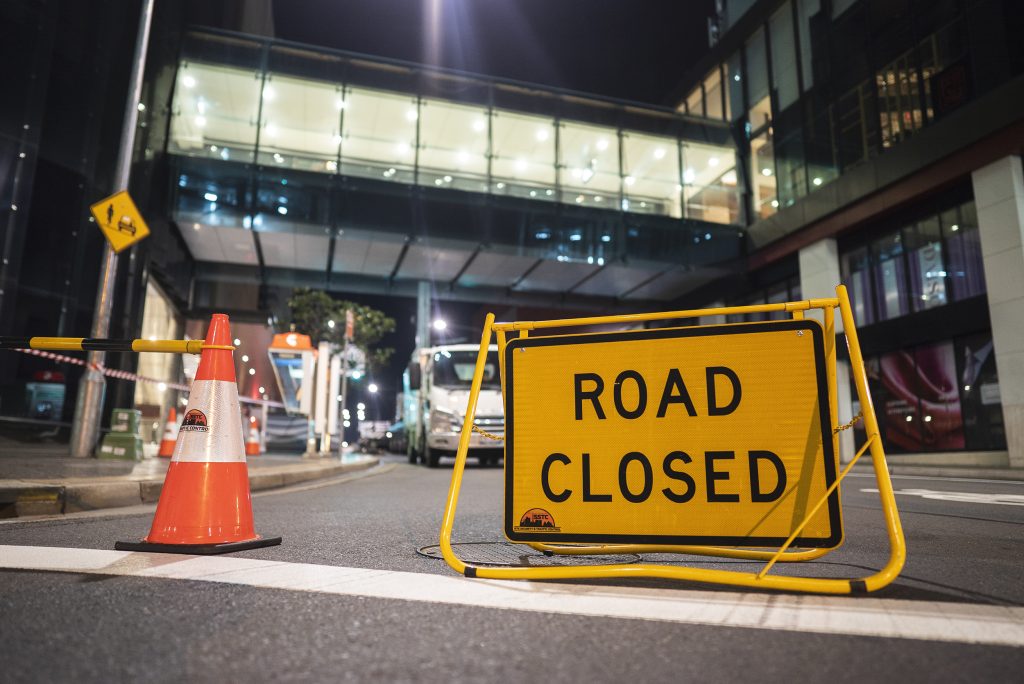
Navigating the logistical challenges of a project in Sydney requires more than just skilled labour and the right materials; it requires a strategic approach to safety and compliance. Whether you are managing a large-scale infrastructure project in Parramatta, a residential build in the inner west, or a community event in the CBD, the interaction between your site and the public road network is a critical risk area.
One of the most common questions we receive from site supervisors and project managers is: When is a traffic management plan required? The answer is not always straightforward, as it depends on the scope of work, the location, and the specific machinery involved. However, the rule of thumb is simple: if your work alters the normal flow of traffic—whether vehicles, cyclists, or pedestrians—you likely need a plan.
Failing to have a compliant plan in place is not just a regulatory oversight; it exposes your company to significant liability, potential project shutdowns, and hefty fines from SafeWork NSW or local councils.
In this guide, we explore exactly when a traffic management plan is required, the regulations that govern them, and how to ensure your Sydney site remains safe and compliant.
To understand when you need a traffic management plan, you must first understand the regulatory framework operating in New South Wales. Traffic management is treated as a high-risk activity and, as such, is governed by strict legislation designed to protect workers and the general public.
In Sydney, your obligations fall under three main regulatory umbrellas:
Under this Act, a Person Conducting a Business or Undertaking (PCBU) has a primary duty of care to ensure the health and safety of workers and others. This means if your work creates a traffic hazard, you must eliminate or minimise that risk. A Traffic Management Plan (TMP) is the primary administrative control used to document how you will meet this duty.
If your activities impact a public road, you must comply with the Traffic Control at Work Sites (TCAWS) Technical Manual. This document sets the standard for how traffic control devices (signs, cones, barriers) are used. For more detailed insights on road safety standards, you can refer to the Austroads Guides to Temporary Traffic Management, which inform the state-specific rules used by TfNSW.
For most construction projects, the requirement for a TMP—specifically a Construction Traffic Management Plan (CTMP)—is triggered during the Development Application (DA) stage. Councils like the City of Sydney or Inner West Council will often list a CTMP as a mandatory condition of consent before any work can commence.
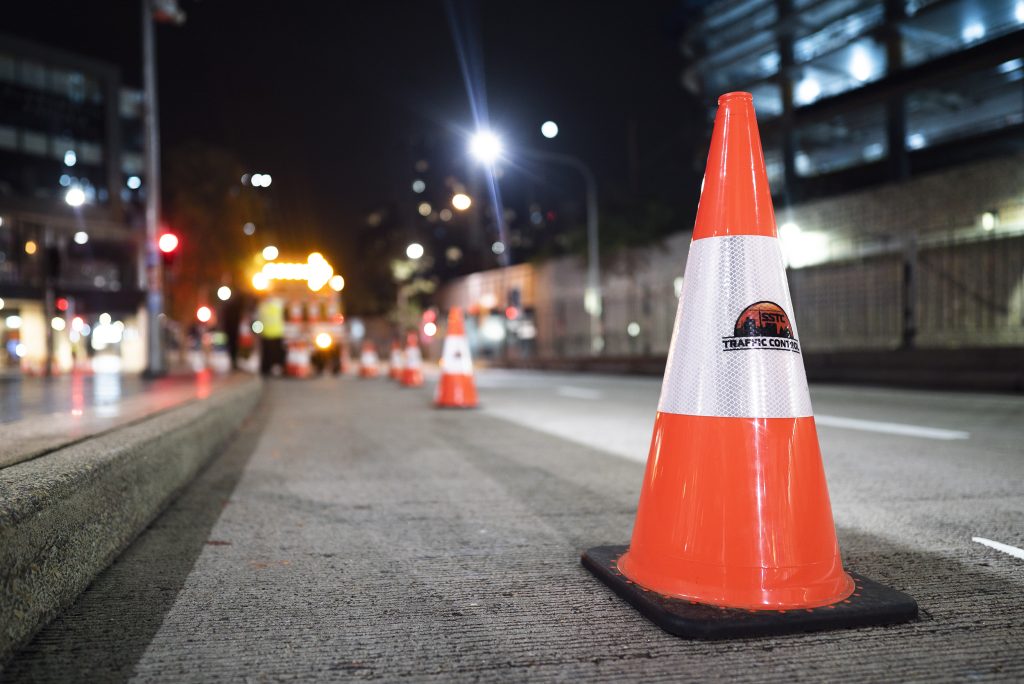
Determining when a traffic management plan is required often comes down to assessing the impact of your site on the surrounding environment. It is a misconception that TMPs are only for roadworks. In reality, any activity that spills out from private property onto the public domain usually triggers the requirement.
Here are the most common scenarios when you need a traffic management plan in Sydney:
This is the most frequent trigger for construction sites. If your project involves trucks entering or exiting a site directly from a public road, you create a collision risk with oncoming traffic and pedestrians.
If you are erecting hoarding, scaffolding, or fencing that obstructs a public footpath, you must provide a safe alternative route for pedestrians.
Any work that requires closing a lane—even temporarily for a concrete pour or a crane lift—automatically requires a Traffic Guidance Scheme (TGS) and a Road Occupancy Licence (ROL) from the Transport Management Centre.
Using a mobile crane, concrete pump, or scissor lift that operates from the kerbside is a high-risk activity.
It is not just construction that requires planning. Street festivals, marathons, or filming on location often require changing road conditions.
Once you have identified when a traffic management plan is required, the next question is: who writes it? This is not a task for the site foreman or a general administrator.
In NSW, the preparation of traffic management plans is a regulated activity. Plans must be designed by a qualified person holding a current Prepare a Work Zone Traffic Management Plan (PWZTMP) card (formerly known as the "Select and Modify" or "Design and Inspect" qualification).
There are generally two types of plans you might need:
Attempting to draw these plans without accreditation is illegal and renders the plan void. If an accident occurs and a certified designer did not prepare the plan, the legal ramifications for the project managers are severe. For further information on the specific training and accreditation required, SafeWork NSW details the prerequisites for traffic control work training.
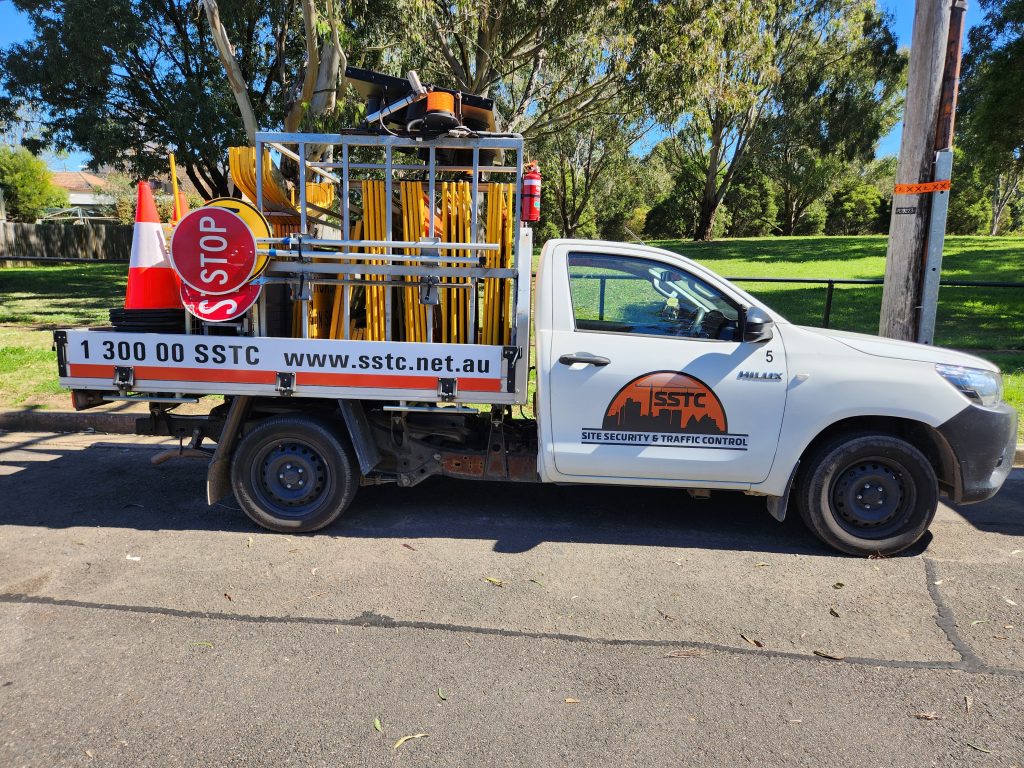
Understanding when a traffic management plan is required is the first step; securing a compliant, practical, and efficient plan is the second. At SSTC, we understand that time is money in the construction industry. Delays in obtaining council permits or ROL approvals can stall your entire schedule.
We provide comprehensive traffic management plans and services that bridge the gap between regulatory compliance and on-site practicality. With over 50 years of combined experience, our planning division specialises in:
We don't just draw lines on a map; we design solutions that work. Once your plan is approved, we can seamlessly transition to the implementation phase with our professional Sydney traffic control services. Our fleet of fully equipped utes and accredited traffic controllers ensures that the plan on paper is executed perfectly on the road.
If you are unsure when you need a traffic management plan for your specific site, or if you need a quote for an upcoming project, reach out to the experts who know Sydney's roads best. Get a free traffic management quote.